The Real Key to Stable Overseas Access: It's Not Just About "Getting Connected" — It's About "Trusting It Long-Term"
Over the past few years, more and more users have migrated their work, studies, research, and even business operations to overseas platforms and service ecosystems. AI tools, international databases, cross-border applications, advertising systems, and social media platforms have gradually shifted from "nice-to-have" to "must-have."
Most people start with the same first step:
Grab a free VPN or a quick-fix tool to solve the "can I connect?" problem.
But the real challenges only emerge once you start relying on it long-term.
1. Why "Getting Connected" Doesn't Mean "Using It with Confidence"
In the beginning, most people focus on:
But as your business or academic needs deepen, you'll gradually uncover another layer of reality:
Platforms care far more about the "trustworthiness" and "behavioral consistency" of your connection.
Common symptoms include:
-
Frequent verification prompts on AI platforms
-
Anomaly alerts on social media and advertising platforms
-
Restricted access and disabled features
-
Identical actions yielding completely different results on different networks
The root cause isn't luck — it's IP quality, stability, and reputation models at work.
2. Network Access Quality Actually Has Three Layers
Most people only see the "connection layer," but the real impact on your experience comes from the other two.
Layer 1: Connectivity — Can You Access It? (The Bare Minimum)
Layer 2: Stability — Can You Use It Consistently?
-
Does it frequently disconnect?
-
Do certain platforms frequently malfunction?
-
Does the speed fluctuate wildly?
This is where many users start running into trouble.
Layer 3: Trust — Does the Platform Accept You?
This is the most overlooked yet most critical layer.
Platforms evaluate a combination of factors:
-
Is this IP frequently abused?
-
Does it come from a high-risk source?
-
Is it on a blacklist?
-
Is it heavily shared among many users?
-
Is it associated with suspicious activity?
Once you're flagged at this layer as a "problem connection," your entire experience becomes one of constant restrictions.
3. Lessons from Real-World Cases
Many business users have encountered situations like these:
-
A cross-border seller logged into their backend using a "seemingly fast" free VPN
👉 No issues on day one
👉 Frequent verification triggered within days
👉 Increased risk flags on their ad account
-
A developer accessed a developer platform smoothly
👉 But the IP had been previously linked to attack activity
👉 API permissions were affected, and some requests were rejected
It wasn't that "you did something wrong" — you simply inherited a "tainted network identity."
4. How to Determine Whether Your Network Is Suitable for Long-Term Use
If you're engaged in work, study, or research that requires long-term reliability, evaluate these three dimensions:
1. Continuity
-
Does it drop frequently within a week?
-
Do you constantly need to switch connections?
-
Do you have a fixed, repeatable environment?
2. Stability
-
Do websites occasionally flag "abnormal requests"?
-
Are logins frequently challenged with verification?
-
Has the platform's behavioral risk scoring noticeably increased?
3. Trustworthiness
-
Does your IP change frequently?
-
Does it belong to a high-risk IP range?
-
Is it flagged as a data center or abuse source?
More often than not, the real "cost" isn't the tool itself — it's the hidden losses from constant disruptions.
5. Why More and More People Are Switching to "More Stable Solutions"
As user needs evolve from "occasional browsing" to:
-
Long-term learning
-
Long-term research
-
Long-term operations
-
Long-term commercial use
They begin to realize:
👉 Stability and trust are far more valuable than "free" and "occasionally fast."
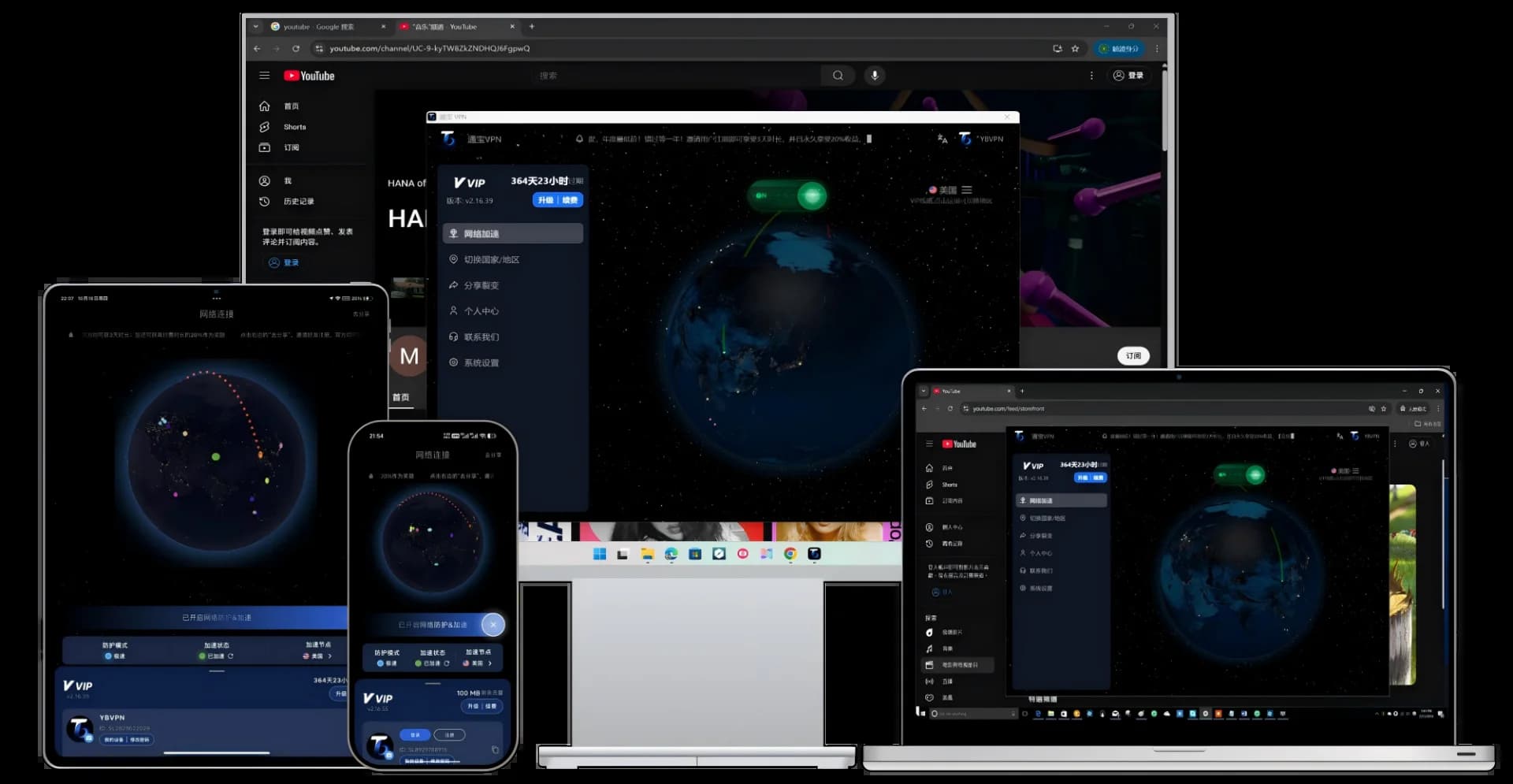
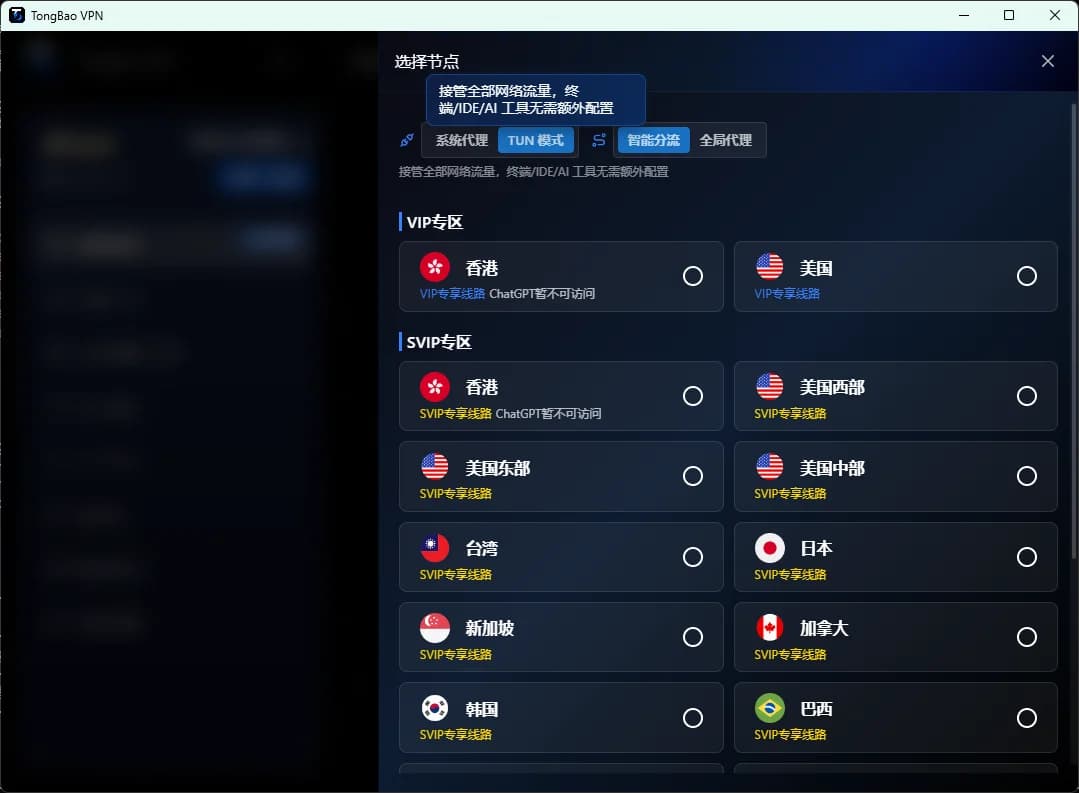
Products like TongbaoVPN emphasize exactly this: it's not about being "flashy" — it's about minimizing risk and cost.
-
A stable access experience
-
A healthier IP reputation environment
-
Network conditions better suited for sustained use
Final Thoughts
Free VPNs and temporary tools were never "wrong."
They're perfectly suited for:
-
Occasional, infrequent use
-
Casual, exploratory browsing
-
Situations that don't involve long-term accounts or sensitive data
But when your goals shift to:
-
Needing stability
-
Needing longevity
-
Needing security
-
Needing to minimize risk
Then a more trustworthy, more stable VPN solution deserves serious consideration.
Because what truly matters isn't whether you can connect, but rather whether you'd trust it enough to build your work and future on it.
TongbaoVPN — Connecting the world with stability, empowering your future for the long run.
Download TongbaoVPN: https://www.tongbaovpn.com/