How Chinese Researchers Can Reliably Access and Publish in International Academic Journals (A Practical Guide)
As global academic collaboration continues to deepen, international journals have become vital platforms for Chinese researchers to showcase their work and engage in cross-border partnerships. Yet many researchers discover through firsthand experience that while journals themselves impose no restrictions on Chinese authors, technical issues frequently arise during the access, submission, and peer review processes.
Drawing on the real-world experiences of fellow researchers, this article provides a systematic overview of how researchers in mainland China can more reliably navigate the international journal publishing process, covering network environments, submission workflows, and risk mitigation.
1. Can Researchers in Mainland China Directly Access International Academic Journals?
The short answer: yes, but reliability depends on the network environment.
At present, major international publishers do not restrict access or submissions from mainland China at the policy level. These include:
Access success rates tend to be higher in the following scenarios:
-
University or research institute campus networks
-
Library databases (CALIS, NSTL, CNKI foreign-language mirrors)
-
Network environments with active institutional subscriptions
2. Why Does Access Work but the Submission Process Often Fail?
The issues researchers encounter are typically not due to journal restrictions, but rather stem from the technical architecture of international academic platforms.
International journals commonly rely on:
-
Overseas cloud services and CDNs
-
Peer review systems such as ScholarOne and Editorial Manager
-
Third-party identity services like ORCID and Crossref
Under mainland China's network conditions, common issues include:
-
Slow loading or timeouts in submission systems
-
File upload failures
-
Frequent login session drops
-
Inability to load peer review feedback pages
-
Abnormal redirects during APC (article processing charge) payments
These problems share a notable pattern: they tend to cluster around critical workflow steps and can significantly delay research progress.
3. Can You Complete Submission and Publication Without a VPN?
1️⃣ From an Academic Compliance Standpoint: Absolutely
-
International journals do not restrict Chinese authors
-
VPN usage is not required
-
IP-based country of origin is not a factor in peer review
Submitting from a domestic network is entirely permissible.
2️⃣ From a Practical Standpoint: Key Steps Can Be Unpredictable
In day-to-day research work, problems most often arise during:
-
Submission system registration and file uploads
-
Responding to peer review comments and revisions
-
Author identity verification (ORCID)
-
Online APC payments
These steps typically require stable, low-latency cross-border network connectivity.
4. Network Optimization Practices for Research (An Objective Overview)
While maintaining full academic compliance, some researchers optimize their network environment during specific operational stages to ensure smooth workflow completion, such as:
-
Submission system registration and final manuscript upload
-
Submitting revision responses before deadlines
-
APC payment processing and order confirmation
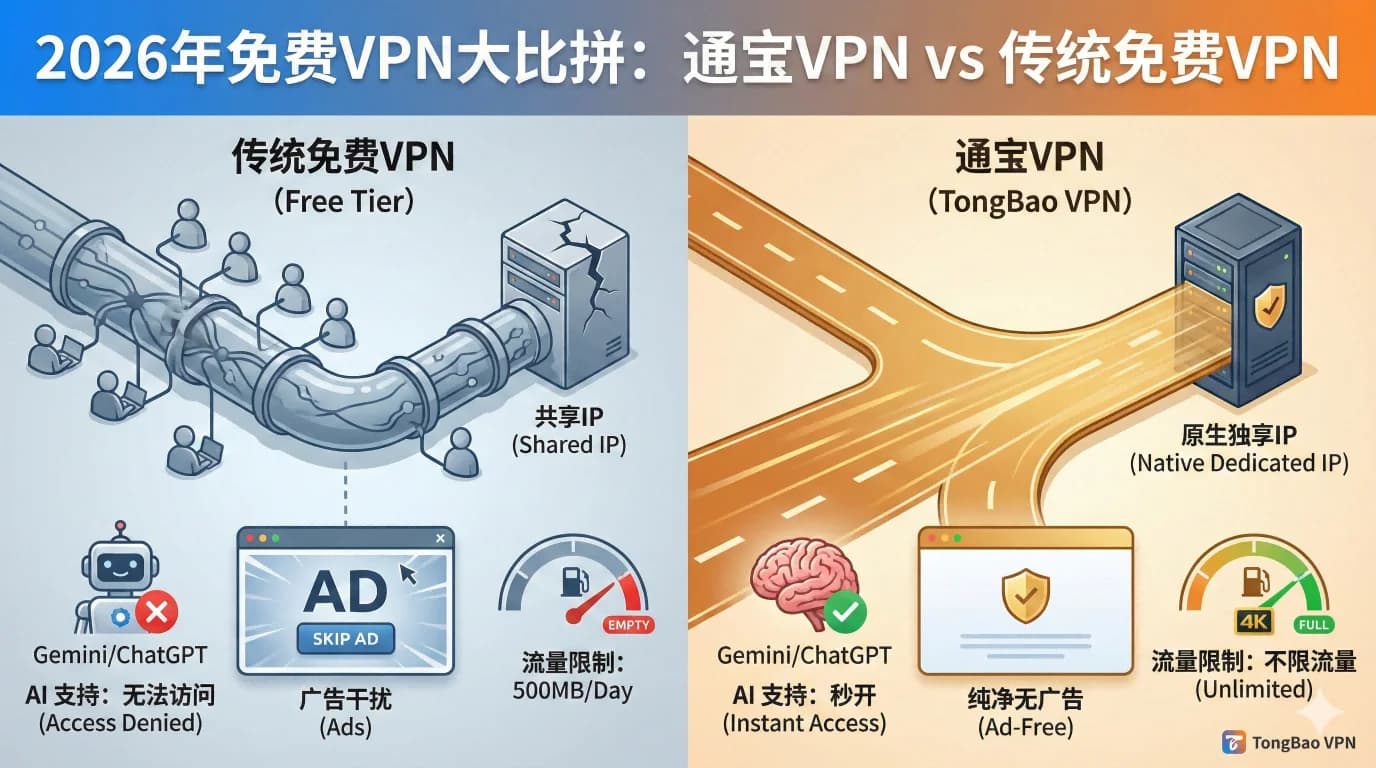
In practice, some researchers opt for professional tools that provide dedicated, low-sharing-ratio overseas network endpoints to minimize the impact of network fluctuations.
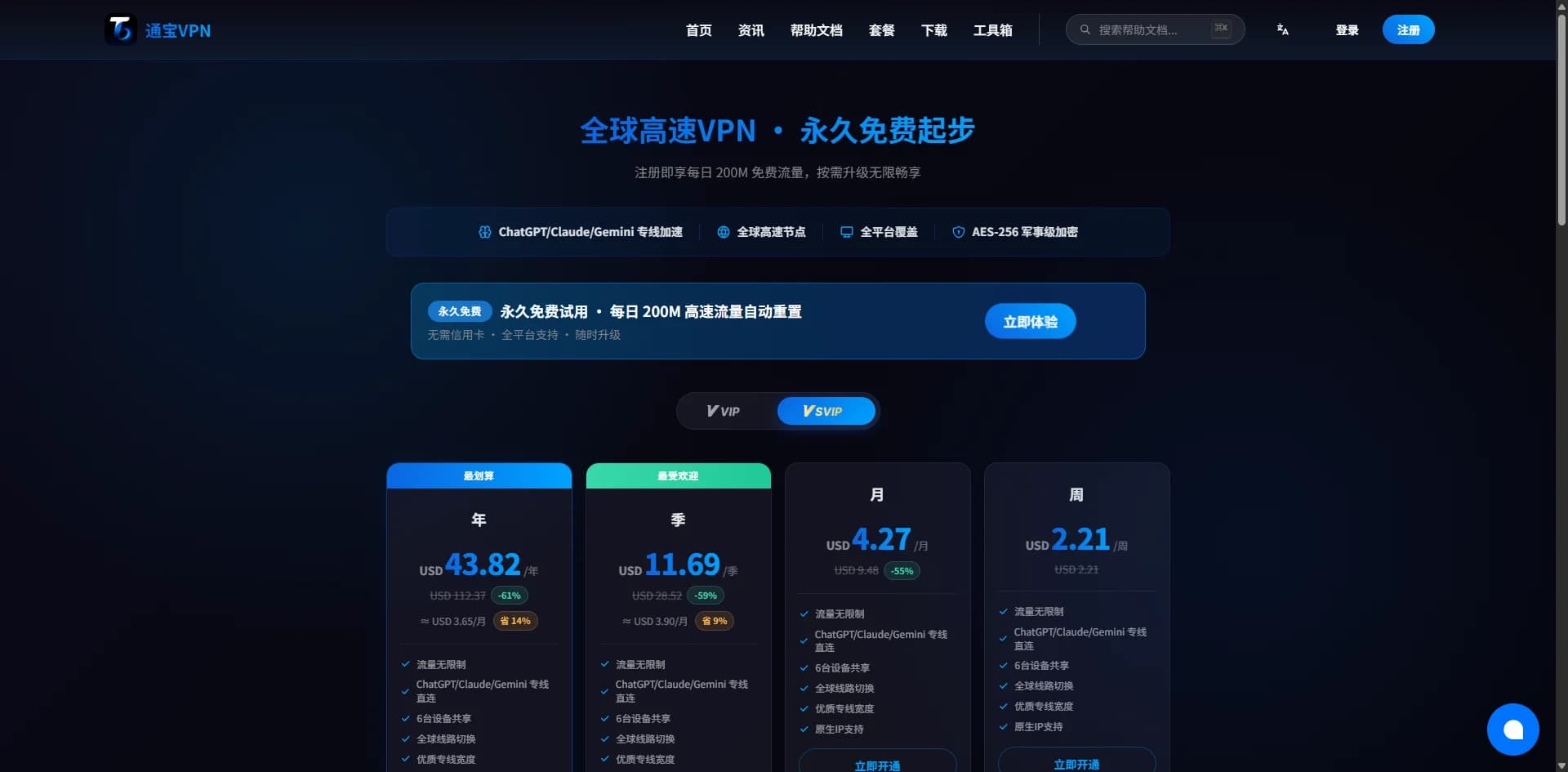
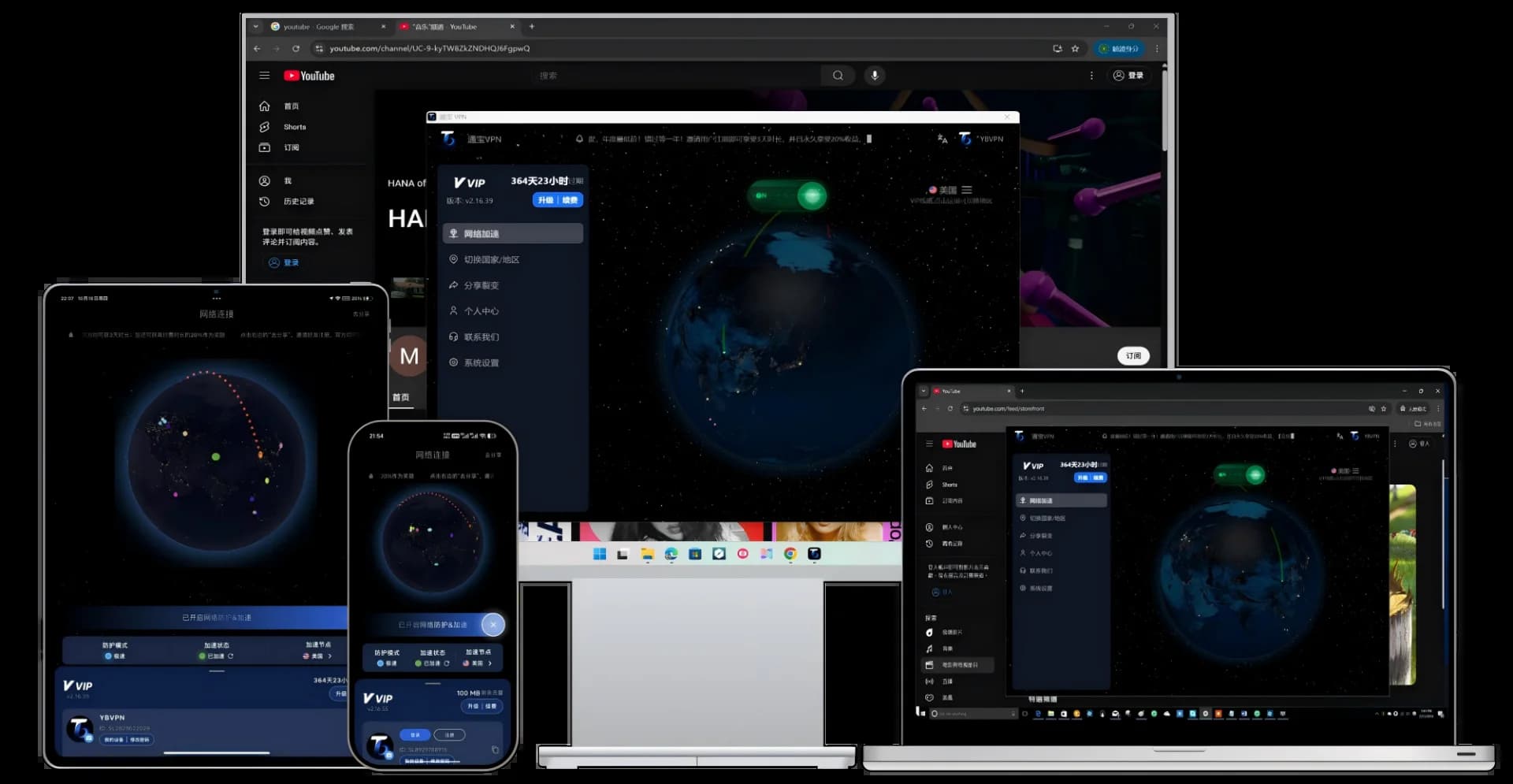
For example, some academic users have reported that TongbaoVPN's dedicated lines and low-sharing IP addresses offer more controllable stability for tasks such as logging into submission systems, uploading files, and loading payment pages. Tools like these are increasingly viewed as a means of network quality optimization rather than content access tools.
It is important to emphasize:
The purpose is to ensure the smooth completion of legitimate academic workflows, not to circumvent academic or policy restrictions.
5. Network Best Practices for Research Scenarios (Lessons Learned)
Based on real feedback from researchers, the following practices can help reduce technical risks:
-
Maintain a consistent network environment
Avoid frequently switching countries or nodes, which can trigger anomalous login alerts.
-
Use a consistent device and browser
Complete submissions, revisions, and payments in the same environment whenever possible.
-
Handle critical tasks early
Avoid last-minute submissions and allow buffer time for potential technical issues.
-
Choose a low-sharing, stable network endpoint
Avoid public, high-sharing proxy nodes.
6. Frequently Asked Questions (FAQ)
Q: Will an international journal reject my paper because of my network environment?
A: No. Peer review is based on academic merit and has nothing to do with your network conditions.
Q: Do university professors and doctoral students also experience these problems?
A: Yes, especially when working off-campus, on international collaboration projects, or using personal networks.
Q: Can network instability affect peer review outcomes?
A: It will not affect the review decision itself, but it may prevent you from completing your submission or revisions on time.
7. Conclusion
Overall, participation by mainland Chinese researchers in international academic publishing is institutionally permitted and practically feasible. However, cross-border network stability remains a real challenge that should not be overlooked.
By understanding the characteristics of submission systems in advance, planning your workflow strategically, and optimizing your network environment at critical stages, you can minimize the impact of technical issues on your research timeline and devote more energy to the academic work that truly matters.
TongbaoVPN——Steady connections to the world, lasting empowerment for the future.
Download TongbaoVPN: https://www.tongbaovpn.com/