⚠️ Essential for Binance/OKX Users: Is the Wrong VPN Triggering Risk Controls? The Ultimate Guide to Stable, Secure Access
When accessing leading cryptocurrency exchanges like Binance and OKX, have you ever run into these frustrating problems?
-
“Everything works fine, but the moment I try to trade, I get restricted.”
-
“I just switched VPN nodes, and my account started demanding constant re-verification.”
-
“Risk controls were triggered out of nowhere, and my account was temporarily frozen.”
The root cause is usually not the platform itself, but the VPN you are using and the IP environment behind it.
1. The Core Issue: Why Are Exchanges So Sensitive to VPNs? 🚨
Cryptocurrency platforms operate as financial-grade institutions with extremely strict risk-control systems. The key dimensions they monitor include:
-
IP Risk Level: Does the IP originate from a flagged “high-risk datacenter”? (Common with cheap or free VPNs)
-
IP Sharing Ratio: Is the IP shared by a large number of users? (High sharing rates make it extremely easy to be flagged by association)
-
Geographic Stability: Does the login and trading region change frequently or illogically?
-
Behavioral Consistency: Does your current network environment closely match your historical usage patterns?
Many so-called “airport VPNs” use high-risk datacenter IPs, or suffer from excessive IP sharing — essentially putting yourself directly under the spotlight of the platform’s risk-control system.
2. Common VPN Risk Scenarios 💣
| Risk Scenario |
Consequences |
How the Platform Sees It |
| Datacenter IP |
Triggers the highest-level verification and restricts trading features. |
Flagged as “suspicious commercial access” or a “blacklisted IP”. |
| Frequent region switching |
Triggers an “abnormal login” alert, requiring facial recognition or SMS verification. |
Flagged as a “potential account hijacking” or “precursor to cross-border money laundering”. |
| High-sharing IP |
Any suspicious behavior from another user on the same IP could affect your account. |
Flagged as “coordinated abnormal activity” or “mass registration / wash trading”. |
3. What Platforms Prefer: The Most Stable Network Environment ✅
If you want to use Binance or OKX for long-term, secure, and stable asset management and trading, your network environment should closely resemble that of a “real, long-term, stable user”:
-
IP Type: A residential IP or static IP is ideal.
-
IP Stability: Stick to one node for the long term. Avoid frequent country/region switching. Recommended nodes include Taiwan, Singapore, Japan, South Korea, and the UK.
-
Clean Environment: The IP should have a normal usage history and not be tainted by other high-risk activities.
-
Usage Patterns: Your chosen node region should be consistent with your overall behavioral profile.
4. Recommended Solution: Why Choose TongbaoVPN? 🤝
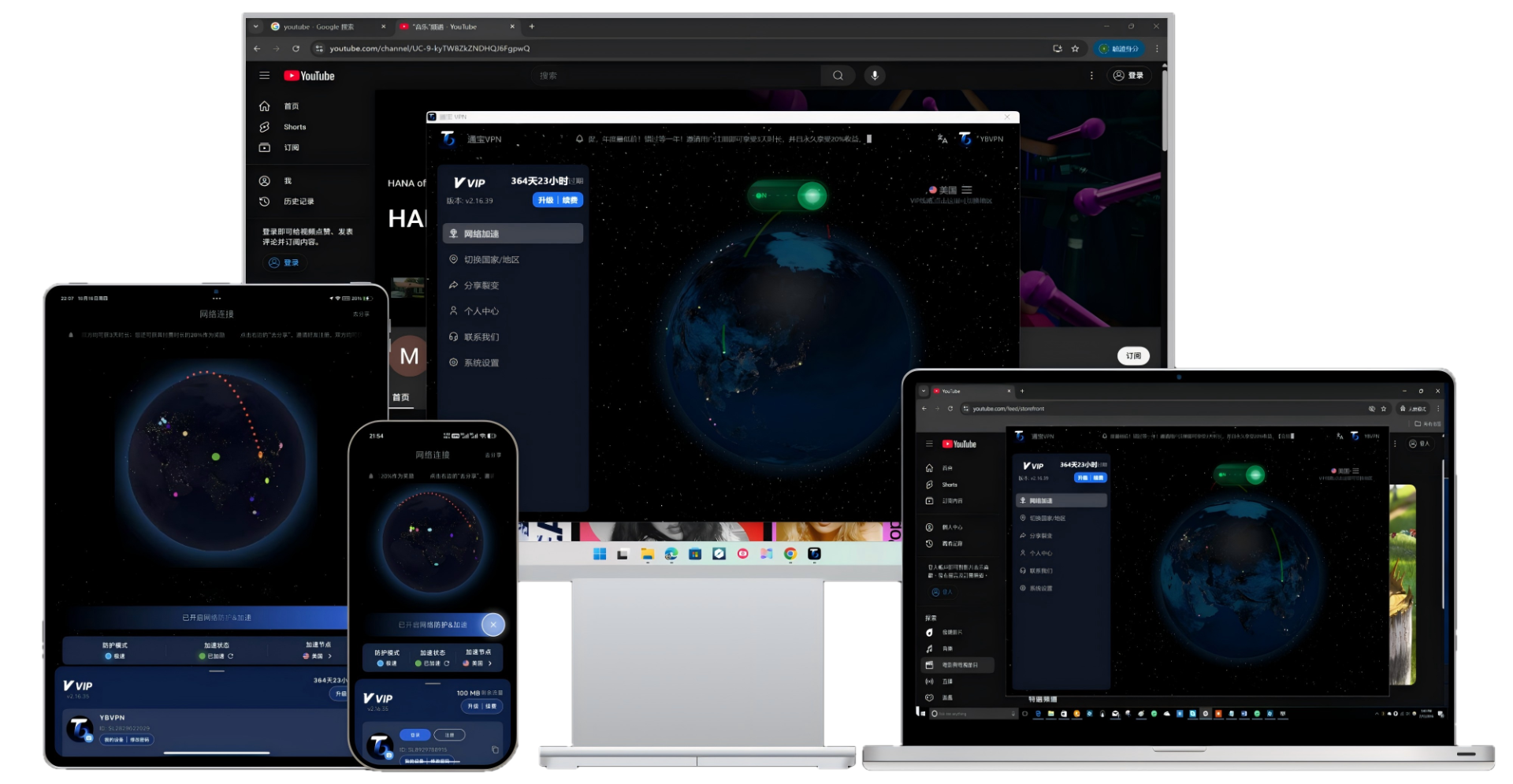
TongbaoVPN is fundamentally different from the cheap “airport routes” found elsewhere on the market. It is purpose-built for high-sensitivity operations such as financial trading and asset management, delivering long-term, stable network solutions:
-
Exclusive Offering: Stable, low-sharing residential IP / static IP routes.
-
Reduced Association Risk: Minimal IP sharing drastically lowers the chance of being flagged by risk-control systems.
-
Long-term Stability: High-quality nodes suitable for logging into the same account over extended periods, reducing verification frequency.
-
Safer Operations: Particularly well-suited for sensitive trades and large-value asset transfers.
Many users report a noticeable drop in verification requests and a significantly improved experience after switching to a static residential IP.
5. Practical Tips for Cryptocurrency Users 💡
-
Choose Quality Nodes: Select a VPN service that offers residential IPs or static IPs.
-
Stay Consistent: Stick to a single IP node for the long term and avoid frequent switching.
-
Keep It Personal: Never share an account with multiple people, even if the node is stable.
-
Prioritize Value: When choosing a VPN, the standard should be “the more stable, the safer”, not “the cheaper, the better”.
Conclusion: Exchanges are not blocking VPNs themselves — they are blocking “abnormal IPs, abnormal behavior, and abnormal usage environments”. Choosing a reliable solution is the foundation of safe trading.
👉 TongbaoVPN Official Website


![[2026 Tested] Best Free & Paid VPN Recommendations - 通寶VPN](https://api.speedlinc.com/static/images/14b40ac6747d481a8ccde40c30100e9d.png)